{ “title”: “The Complete Guide to Taking Care of Your Teeth Whilst Flying: Using an Electric Toothbrush on a Plane Without Hassle”, “full_text”: “
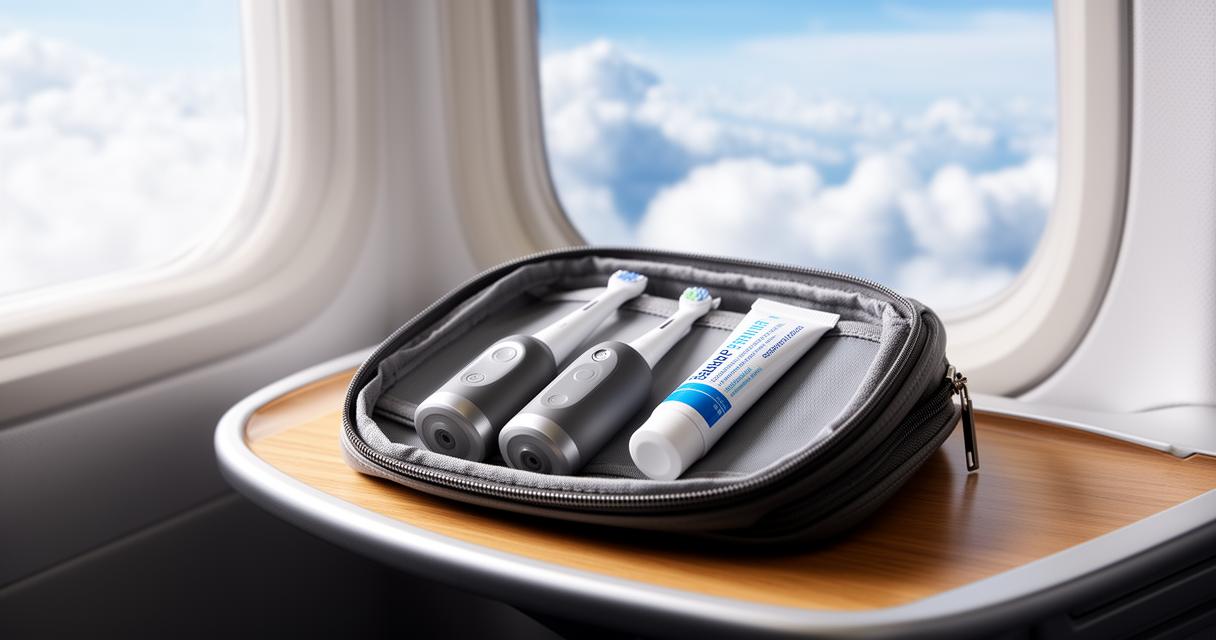
Jetting off for business or pleasure needn't mean compromising on your smile. Whether you're heading on a quick weekend break or a long-haul adventure, keeping up with your dental routine while travelling is entirely achievable with a bit of forward planning. This guide walks you through everything you need to know about bringing your electric toothbrush along for the journey, from navigating airport security to keeping your mouth fresh at thirty thousand feet.
Understanding Aviation Regulations for Electric Toothbrushes and Oral Care Products
Before you even think about packing, it's worth getting your head around what's actually permitted in the cabin. Most electric toothbrushes fall well within the guidelines set by airlines and security bodies, but there are a few nuances worth knowing so you're not caught out at the checkpoint.
Battery Safety Standards and Lithium-Ion Restrictions for Electric Toothbrushes
Electric toothbrushes typically run on small lithium-ion batteries, which are generally accepted in carry-on luggage without any fuss. These batteries are considered low risk due to their modest size, but it's sensible to keep the toothbrush in your hand luggage rather than your checked case, as some airlines prefer battery-powered devices to remain accessible and monitored throughout the flight. If your brush has a detachable battery compartment, make sure it's securely fastened so there's no risk of it coming loose during transit. A model with sonic technology and USB charging, such as the Colgate Electric Toothbrush, tends to travel particularly well thanks to its compact design and reliable power source.
Liquid Allowances: Toothpaste, Mouthwash, and Compliance with 100ml Rules
When it comes to toothpastes and mouthwashes, the familiar 100ml liquid rule applies. Any tube of toothpaste or bottle of rinse you're bringing through security needs to fit within that limit and be placed in a clear, sealable pouch. This applies whether you're carrying a tube of Colgate® Total or a bottle of your favourite mouthwash for gum health. Whitening products, including gels and pens like the Colgate® Optic White® O2 Teeth Whitening Pen, should also be checked against the liquid restrictions, as some formulations count towards your allowance even in small quantities. If you're travelling with kids' products or prescription products for sensitive teeth, it's worth double-checking the volume beforehand so nothing gets confiscated unexpectedly.
Packing your electric toothbrush smartly for cabin luggage
Once you've confirmed what's allowed, the next step is packing everything sensibly so your dental kit survives the journey intact and ready to use.
Protecting your brush head and securing battery compartments during transit
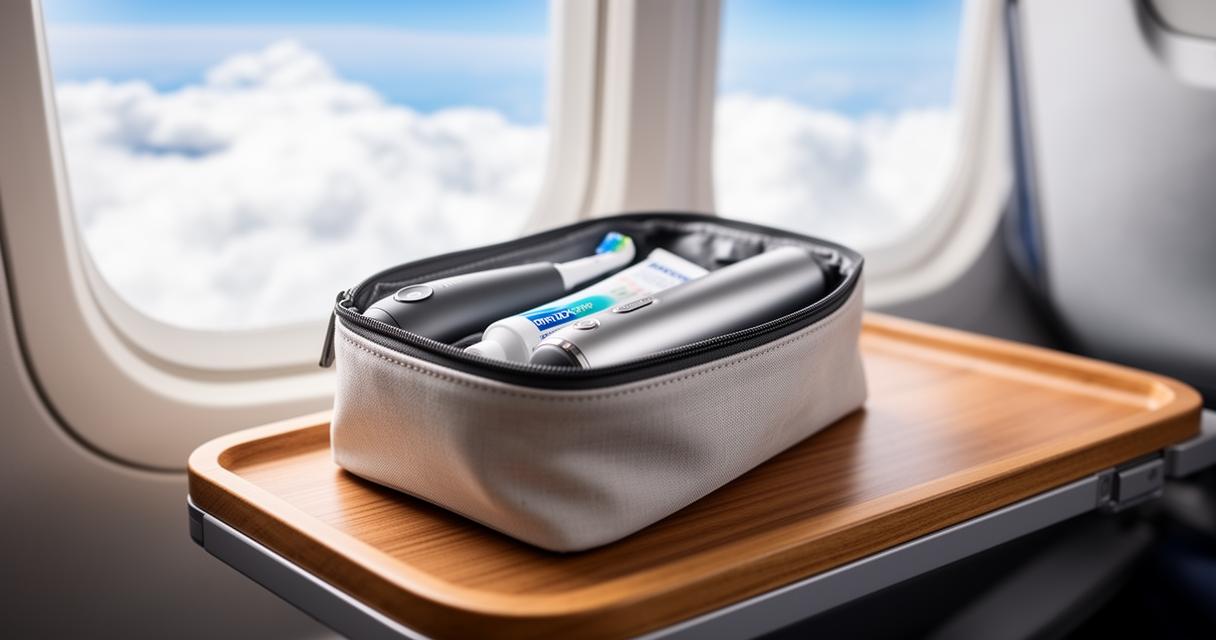
Brush heads can pick up all sorts of grime while rattling around in a suitcase, so it's worth investing in a proper travel case or at the very least a hygienic cap to keep bristles clean. Many electric toothbrushes designed for travel come with a snug-fitting case that also protects the pressure sensor and other delicate components from knocks. Before you leave, make sure the toothbrush is fully charged, and if it has multiple brushing modes or a built-in timer, give it a quick check to ensure everything's functioning correctly. Bringing along a small USB charger is a sensible backup, particularly for longer trips where you might not have immediate access to a plug socket.
Organising your dental care kit for easy security checkpoint access
Nobody enjoys holding up the queue at security, so keep your toothpastes, mouthwashes, and any whitening products together in one easily accessible pouch. This makes it simple to pull everything out quickly for inspection. If you're travelling with a family, it helps to separate kids' products from adult items, especially if you're carrying different formulations for gum health or cavity prevention. A tidy, organised bag not only speeds up your time at the checkpoint but also means you won't be rummaging through your hand luggage trying to locate a stray tube of Colgate® Sensitive Pro-Relief™ Enamel Repair Toothpaste.
Maintaining proper oral hygiene throughout your flight
Once you're airborne, it's tempting to let your routine slip, but a few small habits can make a real difference to your comfort and oral health by the time you land.
Best Practices for Using Your Electric Toothbrush in Aircraft Lavatories
Aircraft lavatories aren't exactly spacious, but a quick brush is still perfectly doable. Bring a small amount of water in a reusable bottle if you're concerned about tap water quality, and use your electric toothbrush's smart coaching feature if it has one to keep your session efficient and quick. A built-in tongue cleaner is a handy bonus for freshening breath without needing extra equipment. Try to time your brushing around meal service so you're not queuing at an awkward moment, and always give your brush head a good rinse afterwards before returning it to its case.
Benefits of Mid-Flight Dental Care for Long-Haul Journeys
On longer flights, the combination of dry cabin air and extended periods without eating or drinking properly can affect your mouth more than you might expect. Brushing partway through a long-haul journey helps with plaque reduction, keeps tartar at bay, and supports overall enamel protection during a period when your usual routine is disrupted. It's also a simple way to reduce sensitivity and freshen your breath before disembarking, which makes a noticeable difference if you're heading straight into meetings or social plans after landing. Products containing stannous fluoride remain effective even when used away from home, meaning your standard oral health routine doesn't need to be abandoned just because you're thirty thousand feet up. Whether you're an adult managing a hectic travel schedule or bringing along teens who need reminding to keep up their habits, a little consistency goes a long way towards protecting your smile for the whole trip.” }
Jetting off for business or pleasure needn't mean compromising on your smile. Whether you're heading on a quick weekend break or a long-haul adventure, keeping up with your dental routine while travelling is entirely achievable with a bit of forward planning. This guide walks you through everything you need to know about bringing your electric toothbrush along for the journey, from navigating airport security to keeping your mouth fresh at thirty thousand feet.
Key takeaways
- Electric toothbrushes with lithium-ion batteries are generally permitted in carry-on luggage and should be kept in your hand baggage rather than checked luggage.
- Travelers must adhere to the 100ml liquid rule for toothpaste, mouthwash, and whitening gels, storing these items in a clear, sealable pouch for security screening.
- Using a dedicated travel case or a hygienic cap for your brush head prevents contamination and protects the device's delicate components during transit.
- Organizing all oral care products in one accessible pouch speeds up the security checkpoint process and prevents rummaging through your luggage.
- Brushing during long-haul flights helps combat the effects of dry cabin air, reduces plaque, and ensures fresher breath upon arrival.
- Using a reusable water bottle for brushing in an aircraft lavatory is a recommended practice if you have concerns about the quality of tap water onboard.
Understanding Aviation Regulations for Electric Toothbrushes and Oral Care Products
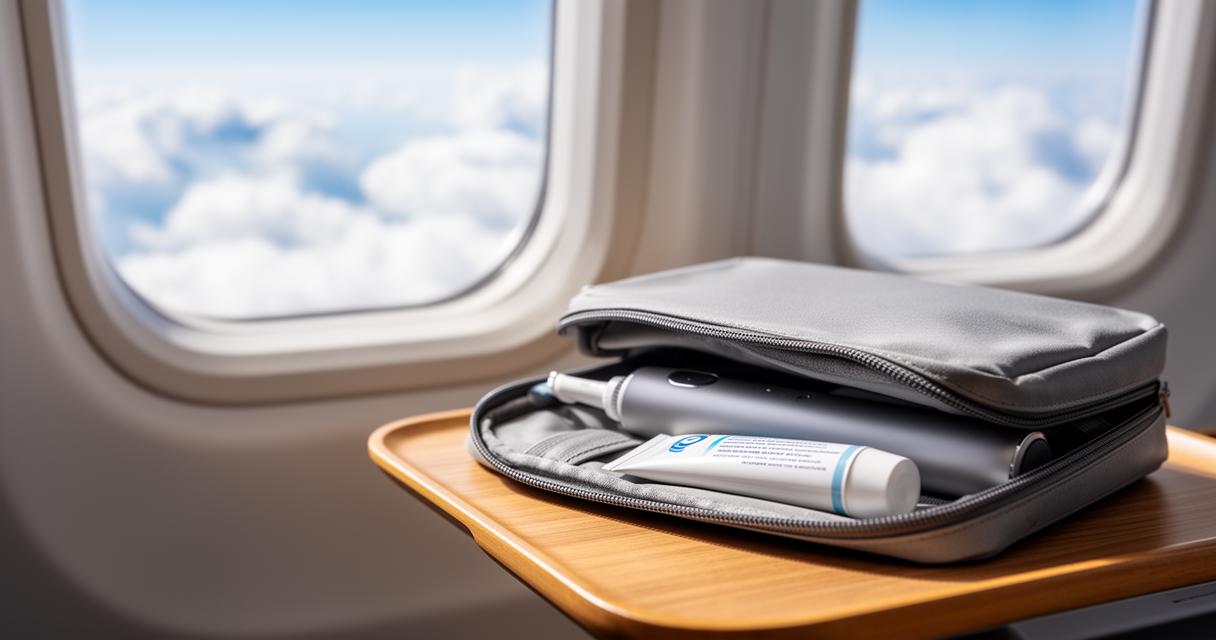
Before you even think about packing, it's worth getting your head around what's actually permitted in the cabin. Most electric toothbrushes fall well within the guidelines set by airlines and security bodies, but there are a few nuances worth knowing so you're not caught out at the checkpoint.
Battery Safety Standards and Lithium-Ion Restrictions for Electric Toothbrushes
Electric toothbrushes typically run on small lithium-ion batteries, which are generally accepted in carry-on luggage without any fuss. These batteries are considered low risk due to their modest size, but it's sensible to keep the toothbrush in your hand luggage rather than your checked case, as some airlines prefer battery-powered devices to remain accessible and monitored throughout the flight. If your brush has a detachable battery compartment, make sure it's securely fastened so there's no risk of it coming loose during transit. A model with sonic technology and USB charging, such as the Colgate Electric Toothbrush, tends to travel particularly well thanks to its compact design and reliable power source.
Liquid Allowances: Toothpaste, Mouthwash, and Compliance with 100ml Rules
When it comes to toothpastes and mouthwashes, the familiar 100ml liquid rule applies. Any tube of toothpaste or bottle of rinse you're bringing through security needs to fit within that limit and be placed in a clear, sealable pouch. This applies whether you're carrying a tube of Colgate® Total or a bottle of your favourite mouthwash for gum health. Whitening products, including gels and pens like the Colgate® Optic White® O2 Teeth Whitening Pen, should also be checked against the liquid restrictions, as some formulations count towards your allowance even in small quantities. If you're travelling with kids' products or prescription products for sensitive teeth, it's worth double-checking the volume beforehand so nothing gets confiscated unexpectedly.
Packing your electric toothbrush smartly for cabin luggage
Once you've confirmed what's allowed, the next step is packing everything sensibly so your dental kit survives the journey intact and ready to use.
Protecting your brush head and securing battery compartments during transit
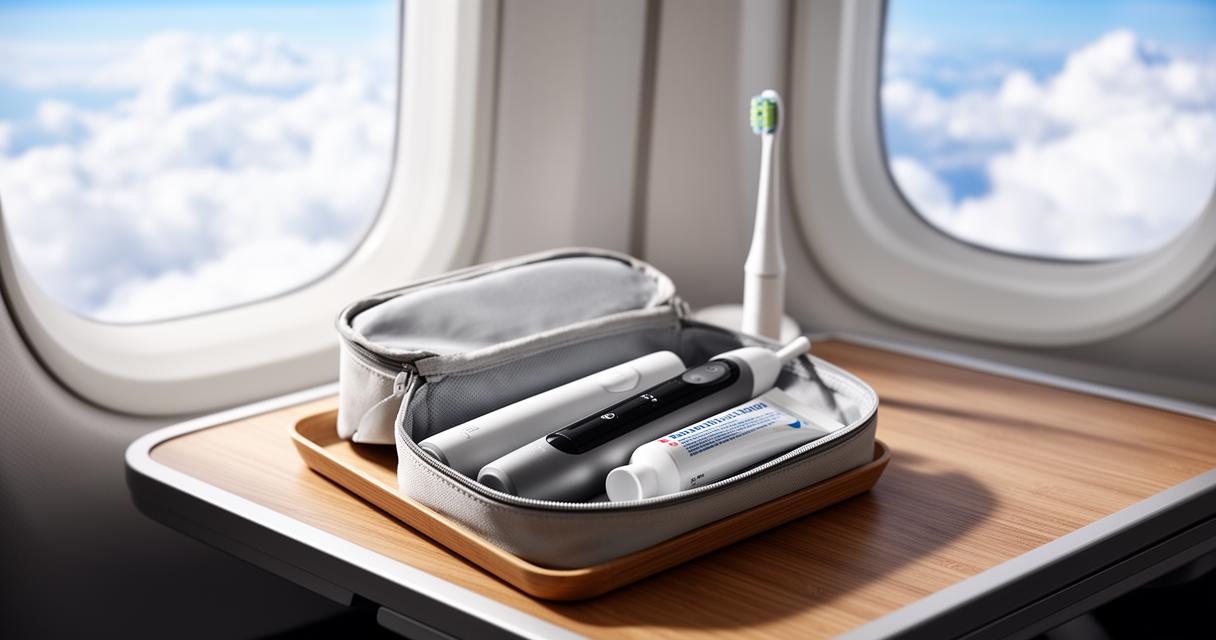
Brush heads can pick up all sorts of grime while rattling around in a suitcase, so it's worth investing in a proper travel case or at the very least a hygienic cap to keep bristles clean. Many electric toothbrushes designed for travel come with a snug-fitting case that also protects the pressure sensor and other delicate components from knocks. Before you leave, make sure the toothbrush is fully charged, and if it has multiple brushing modes or a built-in timer, give it a quick check to ensure everything's functioning correctly. Bringing along a small USB charger is a sensible backup, particularly for longer trips where you might not have immediate access to a plug socket.
Organising your dental care kit for easy security checkpoint access
Nobody enjoys holding up the queue at security, so keep your toothpastes, mouthwashes, and any whitening products together in one easily accessible pouch. This makes it simple to pull everything out quickly for inspection. If you're travelling with a family, it helps to separate kids' products from adult items, especially if you're carrying different formulations for gum health or cavity prevention. A tidy, organised bag not only speeds up your time at the checkpoint but also means you won't be rummaging through your hand luggage trying to locate a stray tube of Colgate® Sensitive Pro-Relief™ Enamel Repair Toothpaste.
Maintaining proper oral hygiene throughout your flight
Once you're airborne, it's tempting to let your routine slip, but a few small habits can make a real difference to your comfort and oral health by the time you land.
Best Practices for Using Your Electric Toothbrush in Aircraft Lavatories
Aircraft lavatories aren't exactly spacious, but a quick brush is still perfectly doable. Bring a small amount of water in a reusable bottle if you're concerned about tap water quality, and use your electric toothbrush's smart coaching feature if it has one to keep your session efficient and quick. A built-in tongue cleaner is a handy bonus for freshening breath without needing extra equipment. Try to time your brushing around meal service so you're not queuing at an awkward moment, and always give your brush head a good rinse afterwards before returning it to its case.
Benefits of Mid-Flight Dental Care for Long-Haul Journeys
On longer flights, the combination of dry cabin air and extended periods without eating or drinking properly can affect your mouth more than you might expect. Brushing partway through a long-haul journey helps with plaque reduction, keeps tartar at bay, and supports overall enamel protection during a period when your usual routine is disrupted. It's also a simple way to reduce sensitivity and freshen your breath before disembarking, which makes a noticeable difference if you're heading straight into meetings or social plans after landing. Products containing stannous fluoride remain effective even when used away from home, meaning your standard oral health routine doesn't need to be abandoned just because you're thirty thousand feet up. Whether you're an adult managing a hectic travel schedule or bringing along teens who need reminding to keep up their habits, a little consistency goes a long way towards protecting your smile for the whole trip.