Few institutions in the world carry the weight of history, spiritual significance, and global influence quite like the Catholic Church, and at its very centre stands one remarkable figure: the Pope. Whether you are a devout Catholic, a curious traveller, or someone simply fascinated by the intersection of faith and history, understanding the role of the Supreme Pontiff (and knowing how to visit the places where that role is lived out) opens a window onto one of humanity’s most enduring traditions.
At a glance
- The Pope serves a dual role as the spiritual leader of the global Catholic Church and as the head of state of Vatican City.
- The doctrine of apostolic succession positions the Pope as the direct successor to Saint Peter, carrying the authority of Christ on earth.
- Papal elections occur through a conclave, a secretive process where the College of Cardinals gathers in the Sistine Chapel to select a new pontiff.
- The Vatican maintains its sovereignty through independent governance, its own diplomatic corps, and the ability to issue passports.
- Visitors can attend papal audiences on Wednesday mornings by obtaining free tickets in advance from the Papal Prefecture.
- The Vatican Museums and Saint Peter’s Basilica house immense artistic treasures, including works by Michelangelo, Bernini, and Raphael, necessitating early booking for visitors.
Understanding the Spiritual and Sovereign Role of the Supreme Pontiff
Leading the Global Catholic Church and Apostolic Succession
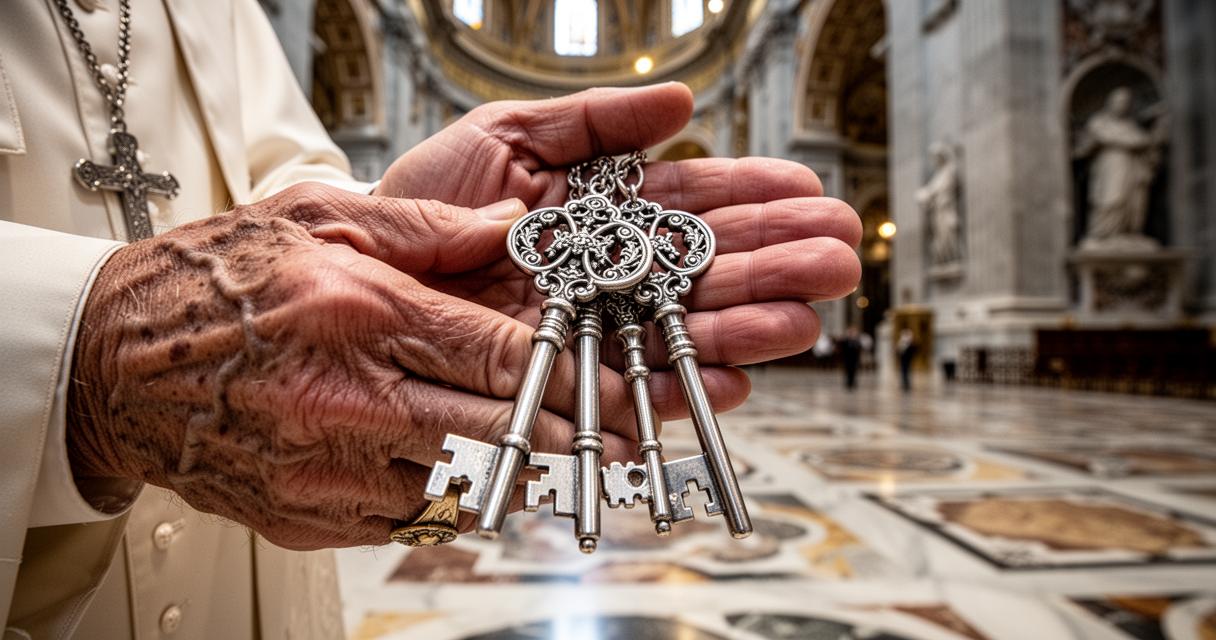
At the heart of Catholic belief lies the conviction that the Pope is not merely an elected administrator but a spiritual leader chosen to carry the authority of Christ on earth. This conviction is rooted in the doctrine of apostolic succession, which traces an unbroken line of leadership from Saint Peter (considered the first Bishop of Rome) through every pontiff who has followed. For Catholics across the world, this succession lends the papal office a sacred legitimacy that no other Christian institution claims in quite the same way.
The title sovereign pontiff is more than ceremonial. The Pope serves as the supreme leader of the Catholic Church, guiding the faithful on matters of doctrine, morality, and pastoral life. When speaking formally on matters of faith and morals in what is known as an ex-cathedra declaration, Catholic teaching holds that the Pope speaks with infallible authority. In everyday governance, however, he works alongside a vast network of cardinals, archbishops, and bishops who together shape the direction of the Church worldwide. It is worth noting that, like any person, these clergy are fallible in their personal conduct, a distinction that has grown particularly significant in recent decades as the Church has grappled with the painful legacy of sexual abuse scandals, which have prompted calls for greater accountability and transparency.
Serving as Head of State for the Vatican City
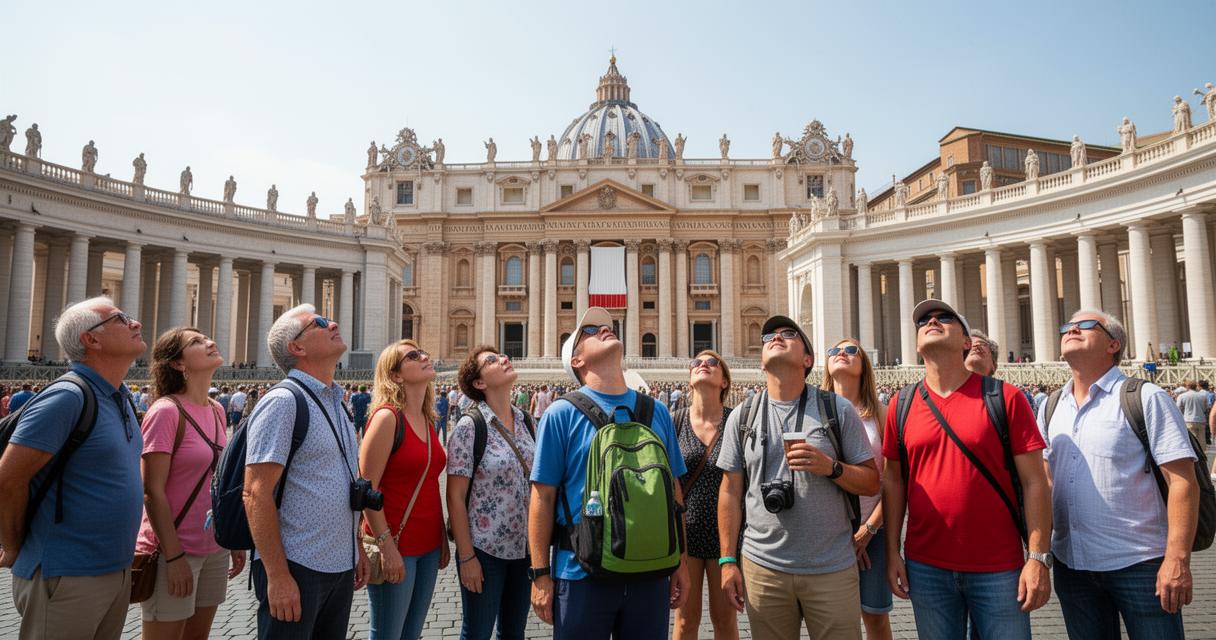
Beyond his spiritual duties, the Pope holds a uniquely dual role: he is simultaneously the head of the Catholic Church and the head of state of Vatican City, one of the most remarkable independent states in the world. Covering just over 100 acres nestled within Rome, Vatican City is the smallest sovereign state on the planet, yet its diplomatic reach and cultural influence extend to virtually every corner of the globe. As a sovereign state, the Vatican maintains its own governance, issues its own passports, and conducts international diplomacy, a reality that sets the papacy apart from the leadership of any other religious institution.
Key Traditions and the Papal Election Process
How the College of Cardinals Convenes for a Conclave
When a Pope dies or, as happened in recent history, resigns from the office, the Catholic Church enters a period of transition governed by centuries of precise ritual. The most dramatic of these is the conclave, during which the College of Cardinals gathers in the Sistine Chapel, sealed from the outside world, to elect a new Supreme Pontiff. The process demands a two-thirds majority among the participating cardinals, and deliberations can last days or even weeks. The famous plume of white smoke rising from the chapel’s chimney signals to the world that a new Pope has been chosen, one of the most recognisable signals in all of religious history.
The elected cardinal then takes a new papal name, stepping into a role that will define his legacy and, in the eyes of millions, shape the moral direction of the global Church. Pope Francis, born Jorge Mario Bergoglio in Buenos Aires, became the first Latin American pontiff and the first Jesuit to hold the office, bringing with him a pastoral emphasis on humility, social justice, and outreach to the margins of society. His election followed the resignation of Pope Benedict XVI, formerly known as Joseph Ratzinger, an event without precedent in modern times that underscored the evolving nature of the papal office.
Historical Heritage from Saint Peter to the Present Day
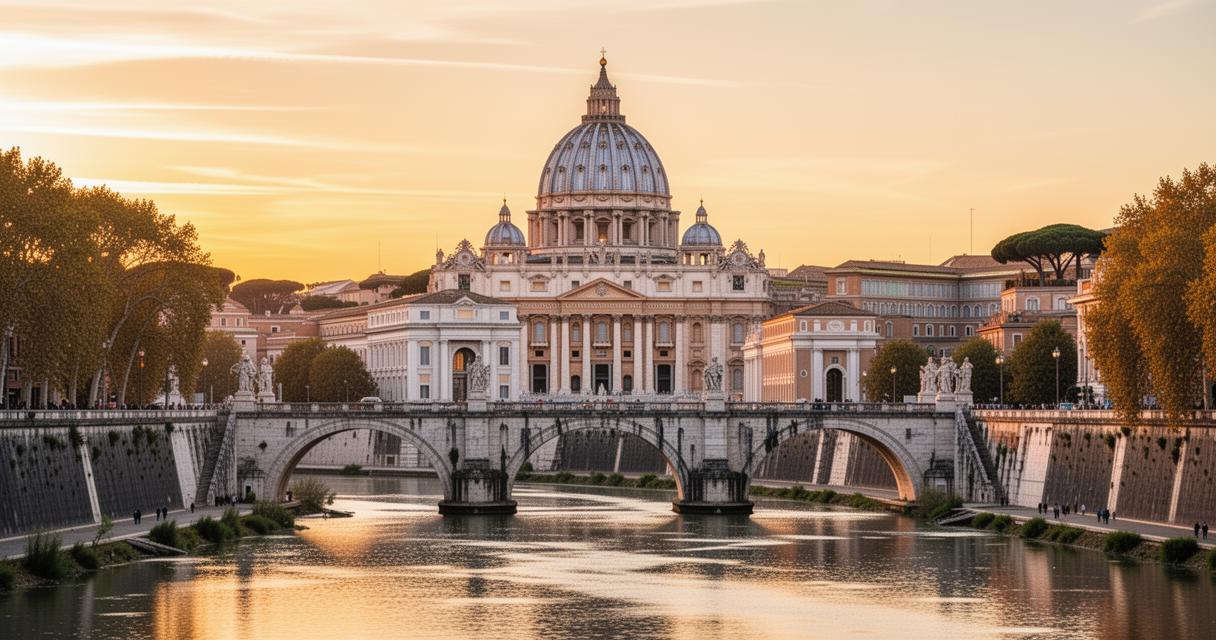
The history of the papacy stretches back nearly two millennia, encompassing extraordinary figures such as Saint Peter, Saint Paul, and a succession of pontiffs who shaped not only religious doctrine but also Western civilisation itself. From the construction of the great basilica that bears Saint Peter’s name to the patronage of Renaissance artists whose work still draws millions of visitors each year, the popes have left an indelible mark on art, architecture, and intellectual thought. This rich heritage is precisely what makes Rome one of the most compelling destinations in the world for travellers with an interest in religious history and culture.
Planning Your Trip to Rome for Papal Audiences and Vatican Museums
Attending a Papal Audience at Saint Peter’s Basilica
For many Catholic travellers and curious visitors alike, attending a papal audience is the highlight of any trip to Rome. These gatherings, typically held on Wednesday mornings in Saint Peter’s Square or inside the Paul VI Audience Hall depending on the season and weather, offer the remarkable opportunity to see the Pope in person and receive his blessing. Gaining access requires obtaining free tickets in advance through the Papal Prefecture, so planning ahead is essential. The atmosphere on these occasions is one of quiet reverence mixed with genuine warmth, as pilgrims from dozens of countries gather around this singular place.
Saint Peter’s Basilica itself warrants an extended visit quite apart from any audience. As the largest church in the world and a masterpiece of Baroque architecture, it was shaped by some of the greatest minds in artistic history, including Michelangelo and Bernini. Inside, visitors can admire Michelangelo’s Pietà and Bernini’s towering baldacchino, which rises above the papal altar with breathtaking grandeur. Climbing to the dome offers sweeping views across Vatican City and the rooftops of Rome that are simply unforgettable.
Securing Tickets to Explore the Sistine Chapel and Museums
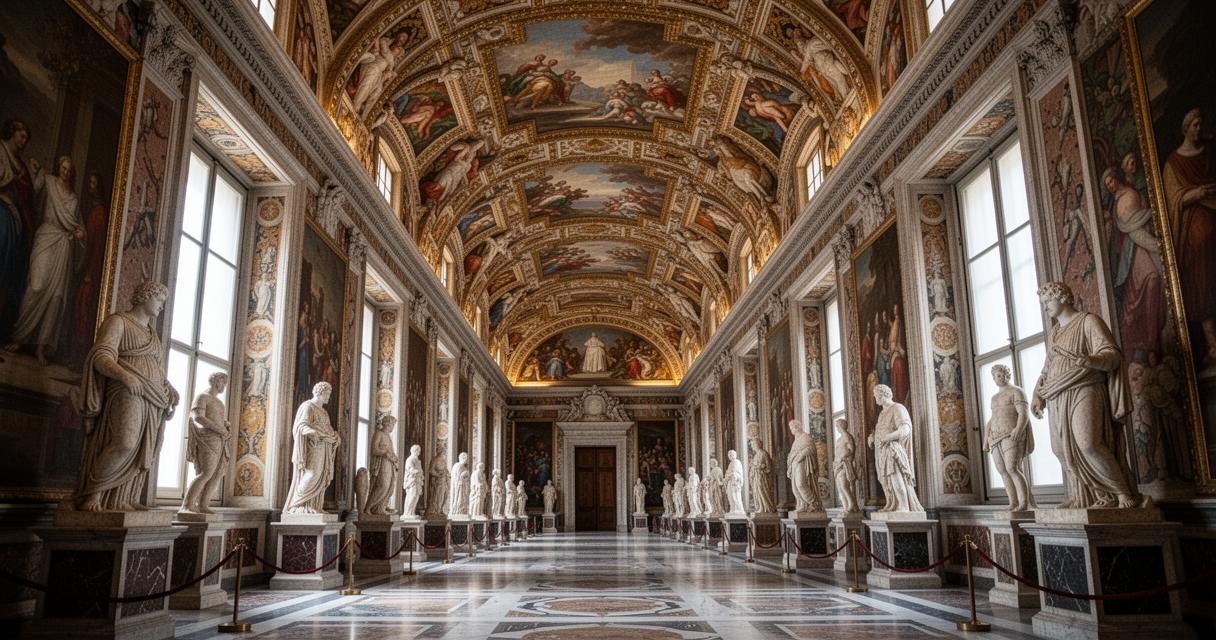
No visit to the Vatican would be complete without time spent in the Vatican Museums, which house one of the world’s most extensive art collections, encompassing ancient sculptures, Renaissance masterpieces, and decorative arts spanning thousands of years of human creativity. The Raphael Rooms display frescoes by Raphael that rank among the finest achievements of the Renaissance, while the Gallery of Maps presents topographical maps painted by Ignazio Danti that are remarkable both as artworks and as historical documents. The journey through these galleries culminates in the Sistine Chapel, where Michelangelo’s ceiling (depicting scenes from the Book of Genesis) and his monumental Last Judgment continue to inspire awe in every visitor who stands beneath them.
Booking tickets well in advance is strongly advisable, particularly during the busiest periods of the year. Guided tours are widely available and can significantly enrich the experience by providing historical and artistic context that might otherwise be missed. Smaller group tours offer a more immersive and personalised way to explore the Pio-Clementine Museum and the many other collections within the complex. For those wishing to escape the crowds entirely, the Vatican Gardens, which span over 57 acres, provide a tranquil contrast to the busy museums, with lush greenery and ancient monuments offering a meditative space rarely associated with one of the world’s most visited sites.
Whether you come to Rome drawn by faith, by history, or simply by a traveller’s instinct for the extraordinary, the Vatican and the living institution of the papacy offer an experience that speaks to something fundamental in the human story. The role of the Pope (part spiritual guide, part head of state, part custodian of an ancient heritage) is unlike any other in the world, and engaging with it directly, in the streets and sacred spaces of Rome, gives that role a depth and texture that no amount of reading can quite replicate.